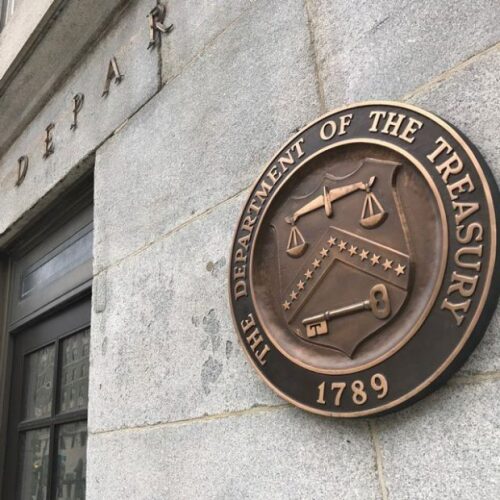
A proposed rule from the U.S. Department of the Treasury outlining a new 1% excise tax on certain remittance transfers is expected to have minimal direct impact on credit unions, though it could reshape parts of the broader payments landscape.
The proposal, published in the Federal Register, would apply the tax to remittance transfers funded with cash or similar physical instruments, such as money orders or cashier's checks, beginning after Dec. 31, 2025.
However, the rule explicitly excluded transfers funded through accounts at financial institutions, as well as those made using debit or credit cards. Because most credit union-facilitated remittances are processed digitally through member accounts or cards, Treasury officials said they expect the sector to be largely unaffected.
The proposal also placed responsibility for collecting and remitting the tax on remittance transfer providers, typically money services businesses, rather than financial institutions.
Still, the rule could have indirect implications. By increasing costs on cash-based remittances, the policy may accelerate a shift toward digital payment channels, potentially benefiting credit unions that offer account-based transfer services.
The proposal also clarified definitions and compliance requirements, aligning them with existing federal electronic transfer rules to reduce operational complexity.
Comments on the proposal are due by June 12, as Treasury moves toward finalizing the rule.
© Arc, All Rights Reserved. Request academic re-use from www.copyright.com. All other uses, submit a request to TMSalesOperations@arc-network.com. For more information visit Asset & Logo Licensing.