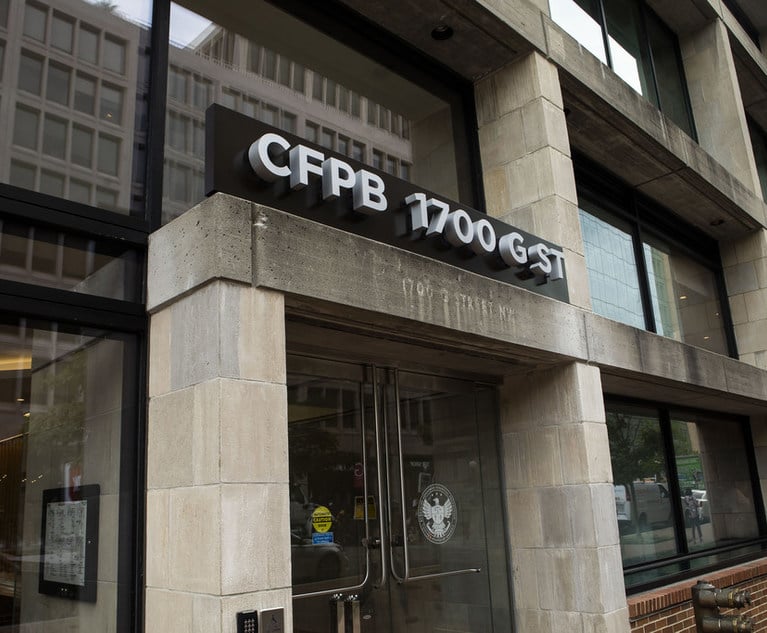
 Consumer Financial Protection Bureau headquarters in Washington, D.C.
The CFPB’s final rule on overdraft fees became official Thursday morning, which reforms overdraft fee options for credit unions and banks with assets more than $10 billion. Those financial institutions, according to the final rule, can choose to charge $5 overdraft fee, charge a fee that covers no more than the cost or losses of an overdraft transaction, or charge a fee while disclosing the interest rate of the loan.
CFPB Director Rohit Chopra said the final rule will save consumers up to $5 billion each year.
"For far too long, the largest banks have exploited a legal loophole that has drained billions of dollars from Americans' deposit accounts," said Chopra. "The CFPB is cracking down on these excessive junk fees and requiring big banks to come clean about the interest rate they're charging on overdraft loans."
While the final rule is set to go into effect on Oct. 1, 2025, the chances of that happening remain slim as the incoming Trump Administration is ready to replace Chopra and potentially roll back or try to fully dismantle the rule.
Congress could overturn the rule using the Congressional Review Act, which allows lawmakers, with the President’s signature, to overturn rules using expedited procedures and a simple majority vote.
In the meantime, America’s Credit Unions President/CEO Jim Nussle said his organization is ready to fight this rule.
“We believe the CFPB has exceeded its authority under the law and are prepared to fight to prevent this rulemaking from taking effect. The bureau's ongoing abuse of power cannot be tolerated any longer. We urge Congress, and we will work with the Trump administration, to pursue reforms to the CFPB that are long overdue,” said Nussle.
He added, “With this final rule on overdraft protection programs, the CFPB is effectively telling consumers that their financial needs don’t matter if they don't fit the bureau’s political agenda and is seriously harming consumers who struggle with financial security. As we’ve repeatedly shared with the bureau and Director Chopra, credit unions offer overdraft programs because their members need this option to make ends meet. Credit unions work with their members to overcome financial challenges, but this final rulemaking will make financial services either less available or more expensive – for everyone across the country.
“As a result of the rule, credit unions will be put in an impossible position. Some may no longer be able to offer an overdraft program because they lack the resources required to undertake the immense operational burden imposed by the rule or cannot afford to run their programs at a loss. This will only hurt and further disadvantage consumers,” said Nussle.
In a letter objecting to the final rule sent directly to CFPB Director Chopra Thursday, DCUC Chief Advocacy Officer Jason Stverak said, “The imposition of a $5 cap on overdraft fees disregards the operational realities of financial institutions and the costs incurred in providing overdraft protection services. This policy not only jeopardizes the sustainability of these services but also shifts the financial burden back onto consumers in unintended ways.”
In a separate statement, DCUC President/CEO Anthony Hernandez added, “Burdensome regulations like this eliminate valuable programs that have historically protected consumers and encouraged financial readiness responsibility. There are always unintended consequences when the government oversteps, and I fear this will ultimately harm consumers in the long run.”
On the opposite side of the issue, consumer groups were happy with Thursday's final rule.
In a statement, Carla Sanchez-Adams, senior attorney at the National Consumer Law Center said, “Big banks that charge high fees for overdrafts are not providing a courtesy to consumers – it's a form of predatory lending that exacerbates wealth disparities and racial inequalities. The CFPB’s overdraft rule ensures that the most vulnerable consumers are protected from big banks trying to pad their profits with junk fees.”
Concerning the potential of Congress overturning the rule, Lauren Saunders, associate director at the National Consumer Law Center said, “It is critical that incoming and returning members of Congress and President-Elect Trump side with voters struggling in this economy and support the CFPB’s overdraft rule This rule is an example of the CFPB’s hard work for everyday Americans."
READ MORE: The final text of the overdraft lending rule
© Arc, All Rights Reserved. Request academic re-use from www.copyright.com. All other uses, submit a request to TMSalesOperations@arc-network.com. For more information visit Asset & Logo Licensing.