 Discussions happening involving the Risk-Based Capital rule.
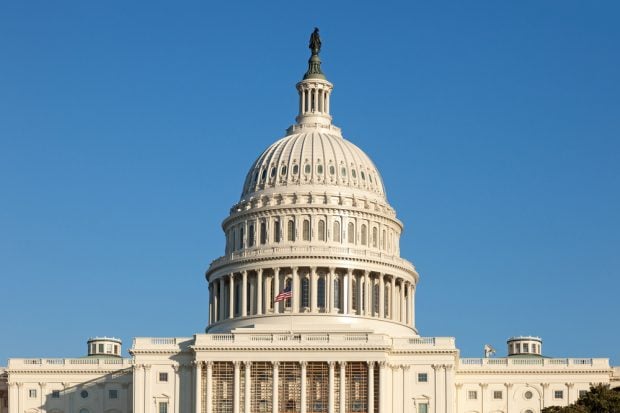
Credit union trade groups are urging the Senate to pass a two-year delay for the NCUA's Risk-Based Capital rule, a delay that already has passed the House.
The House this week passed legislation that would make changes to the Committee on Foreign Investment in the United States—a bill that is a high priority for many House and Senate members.
The legislation included the two-year delay in the RBC rule. The House also included that provision in its version of the FY19 Financial Services appropriation bill. However, the Senate has not yet weighed in on the delay.
The rule is scheduled to go into effect next year; the House provision would delay that until 2021.
NAFCU is pushing for the legislation to be included in any legislative vehicle available.
"Dozens of credit unions stand to see a downgrade in their capital levels and more than 400 credit unions will see a decline in their capital cushions," if the rule goes into effect, Brad Thaler, NAFCU's vice president of legislative affairs, said in a letter Wednesday to the leaders of the Senate Banking Committee.
A two-year delay would give credit unions time to comply and enough time for the NCUA to rewrite the rule, he said.
CUNA also has endorsed a delay.
"CUNA and credit unions have well-founded concerns about NCUA's risk-based capital rule, primarily whether or not NCUA even has the legal authority to issue such a rule," said CUNA President/CEO Jim Nussle. "We continue to maintain that the risk-based capital rule is a solution in search of a problem and support congressional efforts to delay the rule."
"During consideration of the Dodd-Frank legislation, Congress explicitly excluded credit unions from risk-based capital requirements, in recognition of the credit union difference and the fact that America's credit unions…were neither responsible for nor participatory in the risky financial activities that predicated the 2008 financial crisis," Nussle said in a letter this week to the Senate Banking Committee leaders.
NCUA Chairman J. Mark McWatters has endorsed the two-year delay, but board member Rick Metsger has said a strong RBC rule is needed. However, Metsger is slated to leave the board as soon as Trump Administration nominee Rodney Hood is confirmed.
The Senate is unlikely to agree to including the delay in the Financial Services appropriations measure. Leaders of the Senate Appropriations Committee have said they want to avoid having legislative riders in annual funding measures.
In addition, it remains unclear whether Congress will pass individual appropriations bills this year or delay them until after the November election.
That timeframe would bump up against the effective date of the RBC rule.
© Arc, All Rights Reserved. Request academic re-use from www.copyright.com. All other uses, submit a request to TMSalesOperations@arc-network.com. For more information visit Asset & Logo Licensing.